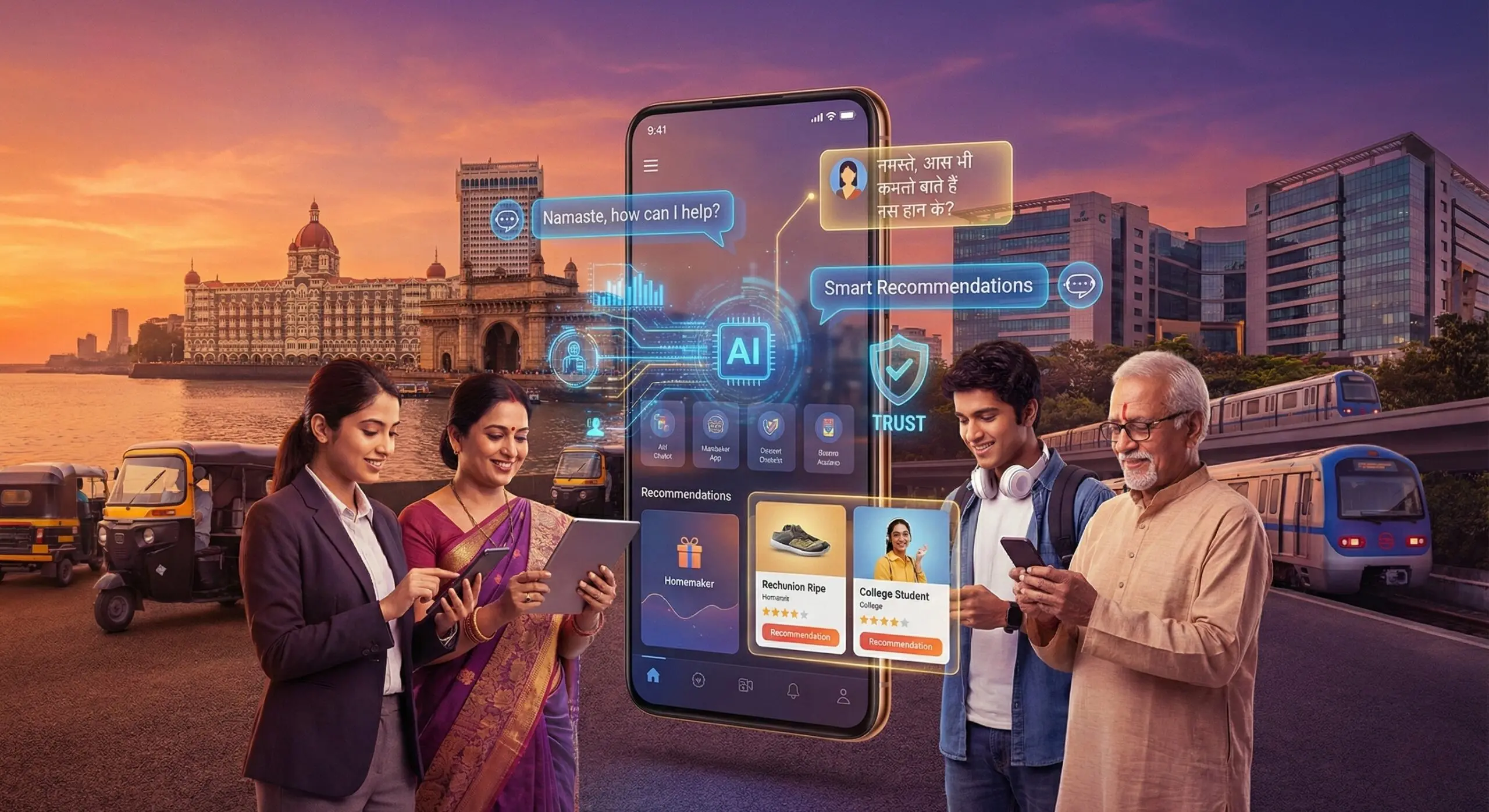
Mobile users in 2026 have been conditioned by the best apps in the world. They've used experiences so smooth and intuitive that friction anywhere else feels like a personal insult. Building a mobile app today means competing against that baseline, and the bar is higher than most businesses realize when they start the project.
What Users Actually Expect from Mobile Apps in 2026
- Sub-second response to every interaction, on any network condition
- Experiences that feel like the app knows them: their preferences, their history, their context
- Proactive suggestions and smart defaults, not forms to fill
- Seamless offline capability for core features
- Privacy-first handling of their data, without sacrificing personalization
The Cross-Platform Argument — Settled
Flutter, which has become the leading framework for cross-platform app development, now delivers performance that's genuinely indistinguishable from native for most use cases. The Dart runtime is fast. The widget system gives pixel-perfect control.
React Native remains a strong choice, particularly for teams with existing JavaScript expertise or apps with heavy web platform integration. Both frameworks have crossed the threshold from "acceptable compromise" to "genuinely good choice."
On-Device AI: The Shift That Changes Everything
- Speed: On-device inference happens in milliseconds, not hundreds of milliseconds.
- Privacy: User data stays on the device. This is increasingly a competitive differentiator.
- Offline capability: On-device models work without connectivity.
- Cost: Every inference that happens on-device is an inference you don't pay for in API costs at scale.
Apps integrating on-device AI for personalization and intelligent defaults see an average 42% improvement in Day-30 retention compared to equivalent apps without these features.
Building for Retention, Not Just Downloads
- Adaptive onboarding: First-run experience that adjusts based on user responses and inferred context.
- Intelligent notifications: Push notifications personalized by time, content, and frequency based on individual user behavior.
- Predictive content surfacing: The app surfaces relevant content, features, or actions before users explicitly request them.
- Progress and mastery mechanics: Applied thoughtfully, genuine recognition of user progress toward their actual goals.
The Development Process Behind Apps That Last
Discovery (weeks 1–3): Deep user research, competitive analysis, and technical scoping before a line of code is written.
Architecture (weeks 3–5): Defining the state management approach, data flow, offline strategy, AI integration points, and performance benchmarks.
Iterative development: Two-week sprints with continuous user feedback integration. We ship to internal test users every two weeks so real usage patterns can inform decisions before launch, not after.